September 19, 2026

In a bustling city like London, maintaining the drainage system is an integral aspect to avoid any disruptions in daily life. This case study will focus on a unique incident that occurred in the city where emergency action was needed due to blocked drains, a situation that required an immediate and efficient response.

The issue arose in the early hours of a winter morning in a densely populated residential area in the heart of London. The residents woke up to waterlogged streets and backups in their plumbing systems. This was an alarming situation because the blocked drains not only caused an inconvenience but also posed a significant health risk. With raw sewage inundating the roadways, the residents were exposed to an unhealthy environment.
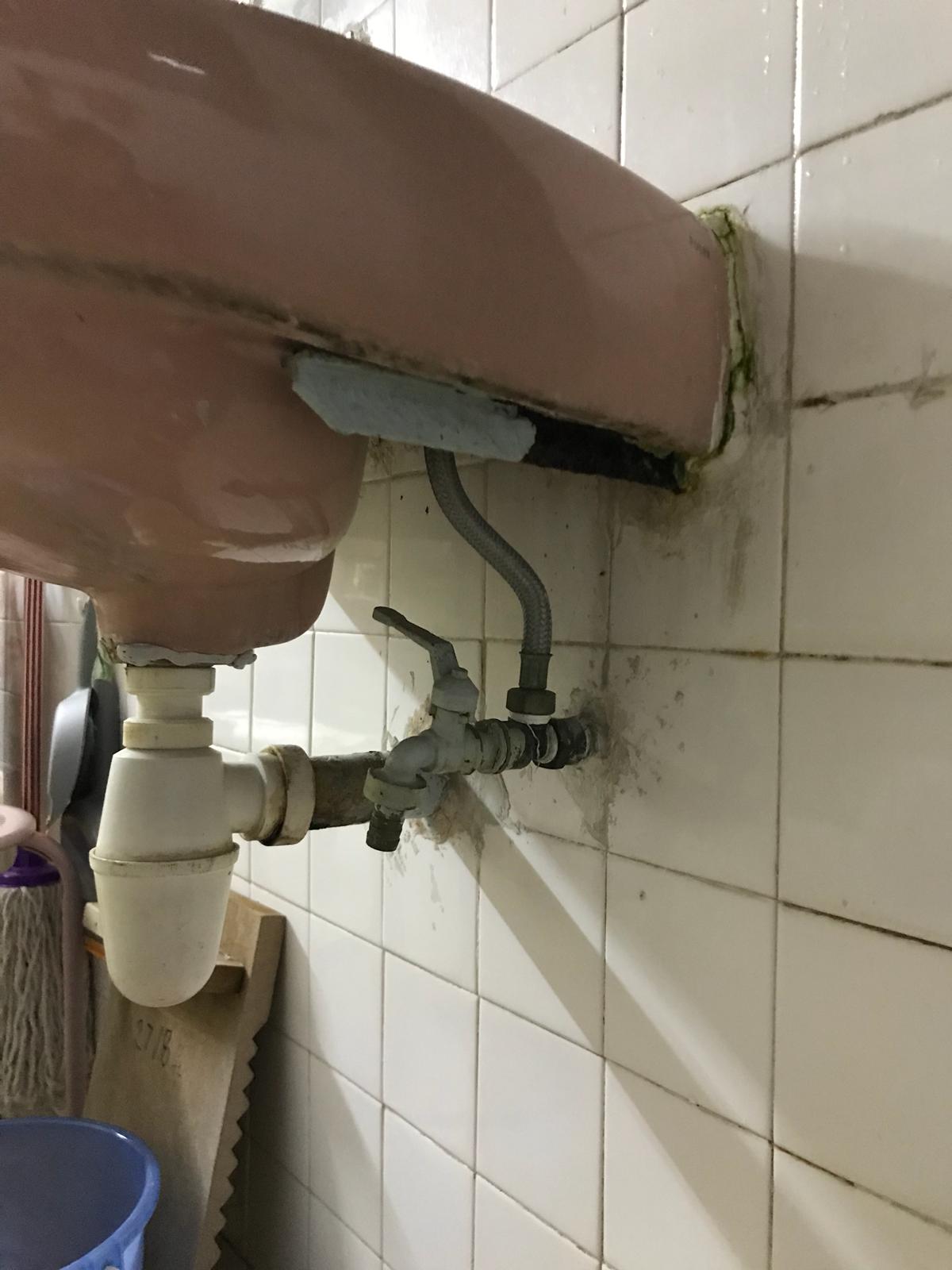
The cause of the problem was the solidification of fat and oils in the drainage lines, commonly known as a fatberg. In addition to the fatberg, other waste materials had also accumulated, leading to a complete blockage of the drainage system. The situation demanded immediate attention, and hence, city officials promptly contacted a local specialized drainage company.

The drainage company understood the gravity of the situation and dispatched a team of seasoned professionals to the site, armed with state-of-the-art equipment. The team strategically began their operation by initially deploying a CCTV drain survey to pinpoint the exact location of the blockage and assess the severity of the problem.

The next step was to break up and remove the fatberg, which was no straightforward task given the size and hardness of the block. The team decided to use high-pressure water jetting, a technique that involves releasing water at extremely high pressure to dislodge and break up the fatberg. This process was accompanied by the manual removal of solid waste to clear the blockage entirely.

The operation was complex and required meticulous planning as well as a significant amount of time to complete. However, the professional team handled the situation expertly, ensuring that the disruption was kept minimal and the issue was resolved as quickly as possible.

Post the cleaning procedure; the drainage company also liaised with local authorities to issue a warning and guidelines to local residents about correct waste disposal. This educational measure was put in place to mitigate the risk of the same problem occurring in the future.

The emergency response to the blocked drains in this case study was a testament to the expertise and readiness of the drainage company in tackling such crucial situations. It illustrated the importance of specialized services and their role in maintaining urban infrastructure, especially in densely populated areas.

In conclusion, the presence of a proficient, professional emergency response team along with the collaboration of local authorities and residents played an instrumental role in addressing and resolving the blocked drain unblocking stevenage crisis. This incident serves as a valuable learning experience highlighting the importance of effective waste disposal practices and swift action in times of emergency.

A holistic approach that includes regular maintenance, public awareness regarding waste disposal, and rapid emergency response can help avoid such scenarios in the future, ensuring public health and safety. This case study demonstrates how an effective and efficient response can resolve potential crises posed by blocked drains, preventing potential health and environmental hazards.

September 18, 2026

A well-functioning plumbing system is central to the smooth running of any household or commercial setup. Unfortunately, blocked drains are a common sight, causing an array of issues, including foul odor, slow drainage, or even overflow. The understanding and management of blocked drains thus pose an essential facet of plumbing services. This article elucidates the dynamics of blocked drains stevenage drain plumbing, including its cause, impact, and solutions.

Generally, a blocked drain results from the buildup of different materials, including hair, soap scum, fats, oils, and food waste, which gradually solidifies with time to form a blockage. Oftentimes, these are accidentally washed down the sink or flushed down the toilet. Blockages can also occur due to foreign objects or invasive tree roots. On a larger scale, blockages can be as a result of damage to the pipes that form part of the sewerage and drainage system.

Blocked drains have a significant impact on daily life, disrupting regular activities and potentially damaging property. The slow progression of water implies the onset of a blockage. The escalation of the problem can lead to an overflow of dirty water which is unsanitary and detrimental to health. Moreover, a blocked sewer pipe can result in the escape of obnoxious gas within premises causing discomfort to the residence and potential health risks. In the long run, if the blockage is not addressed early, it can result in the rupture of pipes, thereby leading to expensive repair or replacement.

Management of blocked drains necessarily involves both corrective and preventive actions. Generally, a plumber harnesses specialized tools like sink or drain snakes, hydro jets, or even uses high-resolution cameras to identify the location and nature of the blockage. Often, stubborn blocks necessitate the removal and replacement of the entire section of the pipe. However, it is much more cost-effective and efficient to prevent the blockages from even occurring.

Preventive strategies primarily include proper education and cautious use of drains. Homeowners should be cognizant about the materials that should not be disposed of through drains including cooking grease, coffee grounds, paper towels, and hygiene products. Additionally, regular cleaning of drains using natural cleaning practices such as vinegar or baking soda can help in maintaining clear drains. Installation of catchers and strainers can also help in trapping materials that could potentially cause blockages.

Moreover, preemptive plumbing maintenance carries significant value. Professional plumbers can conduct regular inspections using state-of-the-art technology to spot and eliminate potential blockage issues. By doing so, drastic damage can be mitigated, saving both money and hassle.

Hence, addressing blocked drains accounts for a prominent aspect of plumbing. The inconvenience and potential damages caused by blocked drains underscore the need for timely intervention and resolution of the issue. Meanwhile, adopting prudent preventive practices can better circumvent the occurrence of blocked drains, contributing to an efficient and effective plumbing system.

In essence, understanding the dynamics of blocked drain plumbing can prove to be a beneficial knowledge asset to the general public and professionals alike. Bringing this problem to focus throws light on a very pertinent field of study: Plumbing, the significance of which is often only realized in the face of stark inconvenience.

September 18, 2026

It is an undeniable reality that the uninterrupted functionality of our drainage systems is pivotal to our daily lives. However, occurrences of emergency blocked drains are rising, posing a pressing concern to households and commercial spaces alike. This leads to a myriad of consequences ranging from health hazards to structural damage. Amidst the hustle and bustle of our everyday lives, this disastrous issue, though critical, often remains invisible.

A blocked drain situation is an emergency because it can cause harm in unexpected ways. For starters, the water that backs up in a blocked pipe can cause structural damages. A drainage system is intricately wired throughout a building. Once blocked, the pressure build-up can result in leaking pipes leading to potential structural damage to the building. In extreme cases, significant water damage can lead to substantial repair costs and the possible shutdown of the building for the repair period, affecting our routine life dynamically.

Furthermore, blocked drains are breeding grounds for bacteria and pests. As the blocked water becomes stagnant, it urges the bacteria to thrive and multiply explosively. This promotes an unhealthy surrounding and increases the chances of diseases like dengue, malaria, and cholera. The foul odour emanating from the blocked drains stevenage drains is not just unpleasant; it is a precursor to these listed health risks. Thus, the perils of delayed attention to emergency blocked drains escalate at an alarming rate.

Another alarming concern of emergency blocked drains is their often-shrouded occurrence. Most of the time, underground drains do not exhibit noticeable signs until it is too late. This covert function of blocked drains makes it difficult for property owners to recognize the problem in time and seek professional help before the situation aggravates.

It is worth noting that not all blockages are due to negligence. Unforeseen circumstances like heavy rainfalls, stormwater runoff, and subsoil movement can cause the drains to block too. Furthermore, the roots of plants in search of water can infiltrate underground pipe joints, leading to slow drain and, eventually, complete blockage.

Prevention is undoubtedly a wave of relief when it comes to emergency blocked drains. Regular inspections, understanding the physical layout of drains, and taking conscious steps like not throwing waste into toilets can prove beneficial. Bio-degradable waste can go a long way in mitigating such instances. Using drain guards to catch debris and regular maintenance using high-pressure water jetting are some other proactive strategies to avoid blocking essential outlets.

However, when blockages occur, timely intervention from professional Plumbing and Drainage Services is crucial. These specialists possess the necessary skillset, technical knowledge, and advanced tools to diagnose and resolve the situation efficiently.

In conclusion, the importance of unblocked drains is unquestionable. Overlooking it could invite health hazards, damage properties, and disrupt our daily life. The occurrence of emergency blocked drains sheds light on the need for enhanced awareness among people about their importance, prevention, and remedial measures. Cultivating a sense of responsibility towards maintaining the drainage system can go a long way in maintaining a clean and healthy environment for everyone to reside in and contribute to the overall well-being of society.