


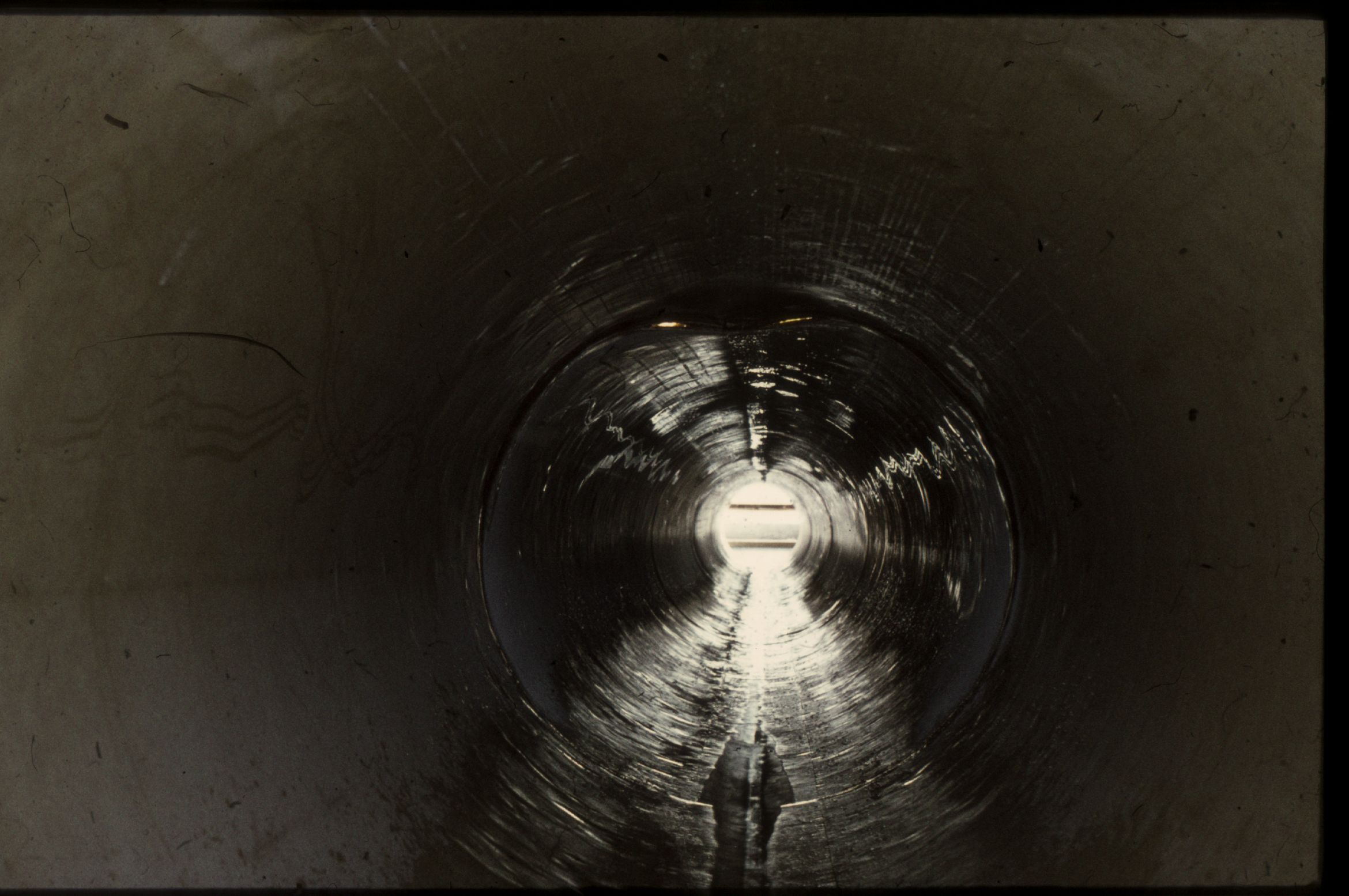
 Plumbing, the intricate system of pipes, tanks, and fittings required for the water supply, heating, and sanitation of a building; is an integral part of our daily lives and modern civilization as a whole. Among the numerous issues faced by plumbing systems, blocked drains kettering drains are one of the most frequent occurrences. A well-functioning drain network is vital for maintaining hygienic conditions and smooth operation of household facilities. This article aims to review the underlying science behind drain blockages and the different ways to tackle this prevalent issue.
Blockages in drains primarily occur due to the buildup of materials, such as hair, grease, food debris, and even foreign objects. Gravity drives the water through a series of pipes to a drainage system. However, when a blockage occurs, the water’s flow is restricted, leading to backups and potential flooding. This process can be more readily understood by applying Bernoulli’s equation from fluid dynamics which demonstrates the relationship between the increased flow resistance and reduced flow of water.
The first step to solving drain blockages is identifying the blockage source. This can be determined by noting which fixtures are affected and which aren’t. If only one fixture is affected, the blockage likely resides within the fixture’s trap or branch drain. Conversely, if all fixtures are affected, the main drain is likely clogged. Thanks to advancements in technology, professional plumbers often use CCTV cameras to inspect drains and pinpoint blockages.
Once identified, many blockages can be resolved using a range of methods. For minor blockages, the use of a plunger can often dislodge the obstructing materials. However, more substantial blockages may require the use of a plumber’s snake or drain auger. These tools can penetrate deeper into the drainage system and break apart stubborn obstructions.
Another prevalent method used today focuses on using hydro jetting, which forces a high-pressure stream of water through the drainpipes, dislodging and flushing out the obstruction. Hydro-jetting is based on principles of fluid mechanics where the high-pressure stream creates a pushing force which drives out the blockage.
Chemical drain cleaners represent another option, although they should be used cautiously due to their corrosive properties. These cleaners capitalize on chemical reactions, releasing heat and gases that break down the blockage. However, considering their potential damage to pipes and environment, they are more of a last resort solution.
In cases where the piping is compromised, replacement or relining of the damaged segments might be necessary. New techniques like trenchless sewer repair technology minimize the intrusive nature of such operations by reducing the necessity for digging.
Prevention, of course, is always better than cure. Regular drain cleaning and not pouring oils, grease, or disposing of inappropriate materials down the drain can largely prevent these blockages in the first place.
In conclusion, the science underlying blocked drains plumbing is rooted in principles of fluid dynamics and material buildup. Through the array of technological and traditional tools available, and by adhering to preventive measures, we can ensure the smooth operation of our drain systems, thus maintaining hygienic conditions, and ensuring the efficient disposal of waste. As one becomes more aware of the reasons behind drain blockages, it becomes easier to prevent them, leading to more sustainable and efficient living conditions.