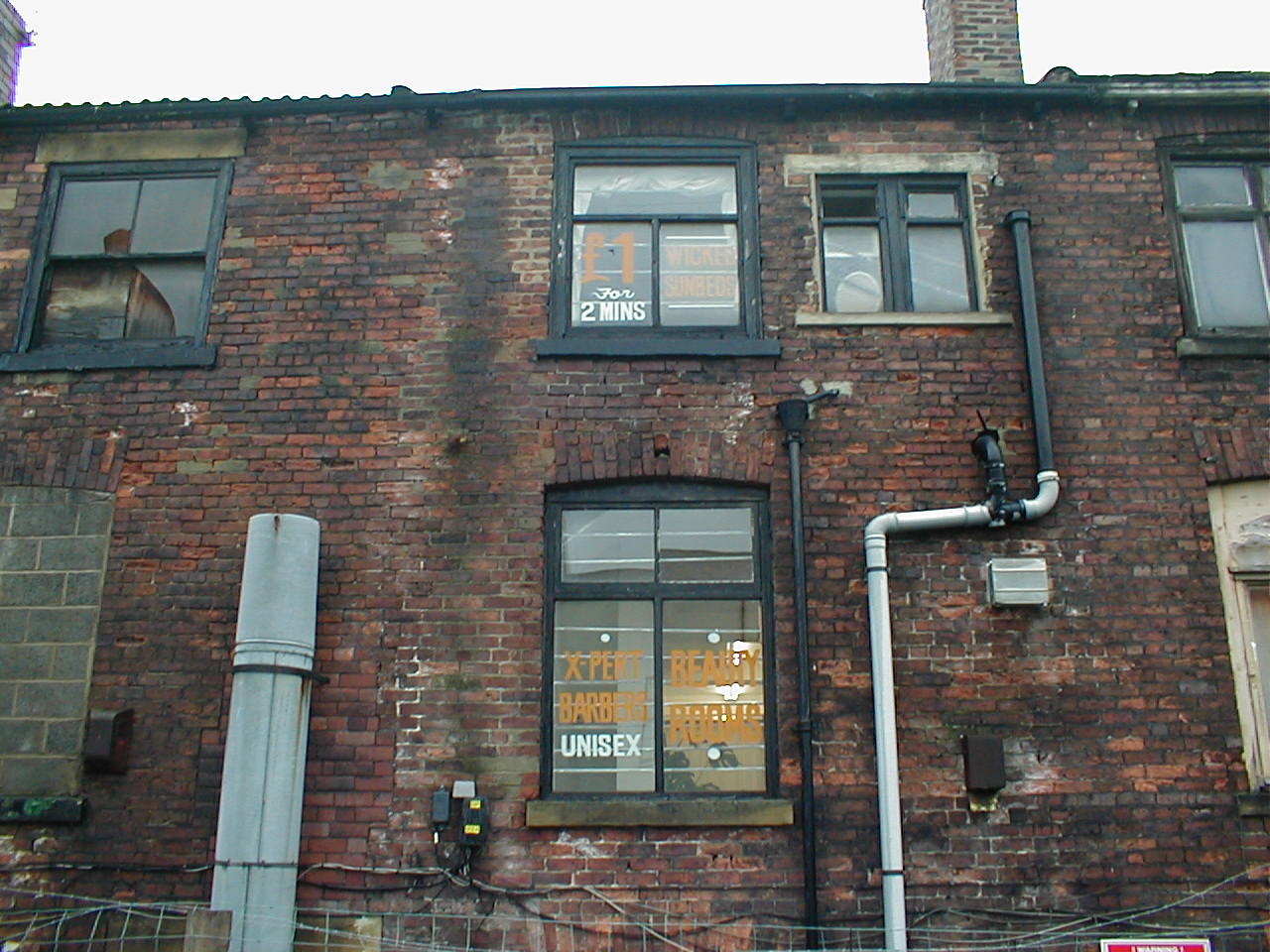
The project involved a commercial property located in the bustling city center. The property had a history of recurrent drainage issues, causing significant disruption to business operations. Traditional methods of diagnosing the problem, such as manual inspection and excavation, were not feasible due to the property’s location and the potential disruption to the surrounding businesses.
The solution was to conduct a CCTV drain survey. This technology involves inserting a remotely controlled camera into the drainage system, allowing for a comprehensive inspection without any excavation or significant disruption. The camera records high-resolution video footage, providing clear images of the drain’s interior. This footage is then analyzed to identify any issues such as blockages, leaks, or structural damage.
The process began with a preliminary assessment of the property’s drainage system to determine the most suitable entry points for the CCTV camera. The team then inserted the camera into the drain and remotely navigated it through the system. The camera transmitted live video footage to a monitor, allowing the team to conduct a real-time inspection of the drain.
The CCTV drain survey identified several issues in the property’s drainage system. These included a significant blockage caused by a buildup of fat and grease, cracks in the pipe walls due to age and wear, and tree root intrusion. The footage also revealed the exact locations of these issues, which would have been impossible to determine using traditional methods.
Based on the survey results, a detailed report was prepared outlining the identified issues and recommended solutions. This report was then presented to the property owner, who was impressed by the thoroughness and accuracy of the CCTV drain survey. The owner agreed to proceed with the recommended repairs, which were carried out efficiently and effectively due to the precise information provided by the survey.
The benefits of the CCTV drain unblocking bromley survey in this project were clear. Firstly, it eliminated the need for disruptive and time-consuming manual inspection and excavation. This not only saved time and resources but also minimized disruption to the property and surrounding businesses. Secondly, it provided accurate and detailed information about the condition of the drain, allowing for targeted and effective repairs. This resulted in a long-term solution to the property’s recurrent drainage issues, rather than a temporary fix.
The success of this project highlights the potential of CCTV drain surveys as a tool for efficient and effective drainage maintenance. By leveraging this technology, businesses and property owners can save time and resources, minimize disruption, and achieve better results. This case study serves as a testament to the transformative power of technology in the field of drainage maintenance.
In conclusion, the use of CCTV drain surveys represents a significant step forward in the field of drainage maintenance. It offers a non-invasive, efficient, and precise method of inspecting drains and identifying issues. This technology has the potential to revolutionize the way we approach drainage maintenance, leading to better outcomes and improved urban infrastructure. The case study presented here is just one example of the many successful applications of CCTV drain surveys, and it is clear that this technology will play a crucial role in the future of drainage maintenance.