On the other hand, some soldiers express concerns about the pressure associated with achieving the minimum score. This is particularly true for soldiers who may have previously relied on their performance in the APFT, which allowed for more leniency in scoring. The transition to the ACFT’s minimum score has prompted discussions about the need for additional support and resources to help soldiers improve their fitness levels. For individuals who may struggle with certain physical tasks, the fear of failing the test can lead to anxiety and decreased confidence.
The sprint challenges the cardiovascular system while engaging the lower body muscles, including the quadriceps, hamstrings, and calves. Sprint: This segment involves a short-distance sprint, focusing on explosive speed and acceleration.
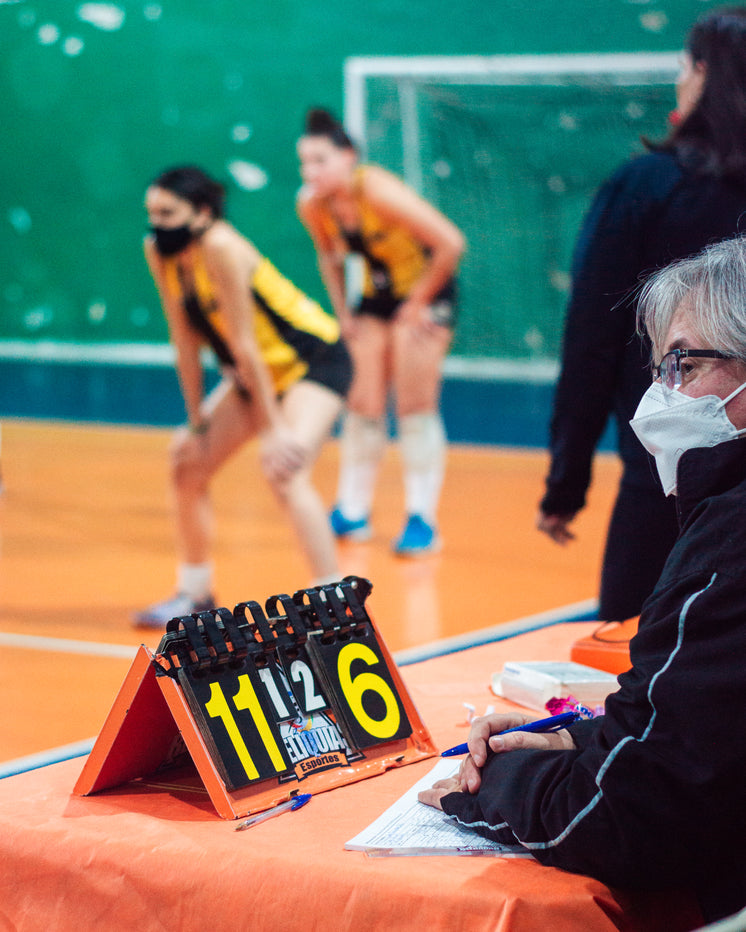 This shift in mindset contributes to a more physically prepared force, capable of meeting the challenges of modern military operations. Moreover, the calculator fosters accountability among soldiers. With the ability to track progress over time, soldiers are more motivated to maintain their fitness levels and strive for excellence.
To achieve a competitive score on the ACFT, female soldiers should engage in a comprehensive training regimen that includes strength training, endurance workouts, and agility drills. Incorporating exercises that mimic the test events will help soldiers build the specific skills needed to excel. Additionally, regular practice of the ACFT itself can help soldiers become familiar with the test format and improve their overall performance.
Coaches are increasingly incorporating the SDC into training regimens to enhance performance metrics such as speed, agility, and strength. The SDC is particularly beneficial for athletes across various sports, including football, soccer, and basketball.
By inputting scores from multiple assessments, soldiers can visualize their improvement, set goals, and stay motivated in their fitness journey. Data Tracking: The calculator allows soldiers to track their progress over time.
The Army Combat Fitness Test was officially implemented in October 2020, with the goal of creating a more comprehensive measure of a soldier’s physical fitness. The ACFT consists of six events that are intended to simulate the physical demands faced by soldiers in combat situations.
The standards set for 2026 reflect a commitment to physical fitness and operational effectiveness, ensuring that all soldiers are prepared for the challenges they may face in their military careers. By focusing on building strength, endurance, and agility, female soldiers can achieve their best possible scores and contribute to the overall effectiveness of the Army. As the ACFT continues to be a vital component of soldier readiness in the U.S. Army, understanding the scoring system and training effectively are essential for female soldiers aiming to succeed.
The Army established a minimum passing score, which varies by age and gender, to ensure that all soldiers meet a baseline level of physical fitness. The ACFT incorporates six events: the deadlift, standing power throw, hand-release push-ups, sprint-drag-carry (sdc), leg tuck, and a two-mile run. The ACFT was designed to replace the Army Physical Fitness Test (APFT), which primarily focused on push-ups, sit-ups, and a two-mile run. This multidimensional approach aims to better reflect the physical demands placed on soldiers in real-world scenarios.
The aviation industry has seen remarkable advancements in technology over the past century, leading to significant improvements in aircraft design, efficiency, safety, and environmental impact. This case study explores the evolution of aircraft technology, focusing on key innovations, their implications for the aviation sector, and the future of flight.
Looking ahead, the future of aircraft technology is poised for even more transformative changes. Companies like Airbus and Boeing are exploring concepts for urban air mobility, including electric vertical takeoff and landing (eVTOL) aircraft, which could revolutionize urban transportation. The development of electric and hybrid-electric aircraft is gaining momentum, promising to reduce reliance on fossil fuels and lower emissions.
Female soldiers must complete the two-mile run within a specified time. The scoring is:
– 21:00 minutes: 60 points
– 19:00 minutes: 70 points
– 17:00 minutes: 80 points
– 15:00 minutes: 90 points
– 14:00 minutes: 100 points Two-Mile Run: This event measures cardiovascular endurance.
The scoring is based on completion time:
– 3:20 minutes: 60 points
– 3:00 minutes: 70 points
– 2:40 minutes: 80 points
– 2:20 minutes: 90 points
– 2:00 minutes: 100 points Female soldiers must complete a 250-meter course that includes a sprint, drag, and carry. Sprint-Drag-Carry: This event tests agility and speed.
This phase emphasizes upper body strength, core stability, and grip strength, as participants must maintain control while dragging the load. Drag: Following the sprint, athletes engage in a dragging motion, which often involves pulling a sled or another weighted apparatus.