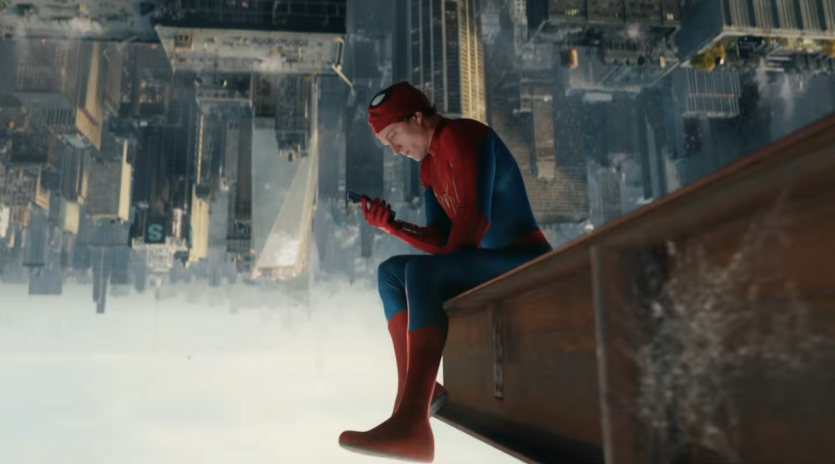
Цей фільм символізує початок нової епохи для Пітера Паркера, який залишився зовсім один після подій попередньої частини.Ви дізнаєтеся, як творча група проекту планує змінити наше уявлення про супергероїку, зосередившись на атмосфері нуарного детективу.
Фанати епічних протистоянь, відчують зовсім іншу атмосферу.Проект зосереджується на внутрішньому світі Пітера, web page який тепер мешкає в обшарпаній квартирі.
Якщо ви шукаєте відповідь на запитання, Хто грав у фільмі «Людина-павук: Абсолютно новий день» — повний список акторів та їхні ролі, ми підготували детальний огляд виконавців.
Детальний каст фільму: персонажі та виконавці
Однак актор демонструє набагато глибший рівень драматизму, адже герою доводиться змиритися з повною самотністю.
Акторський склад фільму був сформований таким чином, щоб підкреслити нову, більш реалістичну тональність.
Для багатьох фанатів проекти цієї студії отримують друге дихання після інтеграції вуличних героїв.{Це справді {{класне кіно|якісний продукт|важлива подія}}, де кожен актор {{знаходиться на своєму місці|викладається на повну|ідеально відповідає образу}}.}

Особливості розкриття ролей у цій частині франшизи
Ми бачимо зовсім іншого Пітера — втомленого, але незламного.{Це робить «Абсолютно новий день» одним із {{найцікавіші фільми|найбільш захопливих проектів|найкращих зразків жанру}} за останні роки, оскільки {{акцент зміщено на людину, а не на костюм|в центрі сюжету стоїть особиста драма|історія фокусується на емоціях героя}}.}
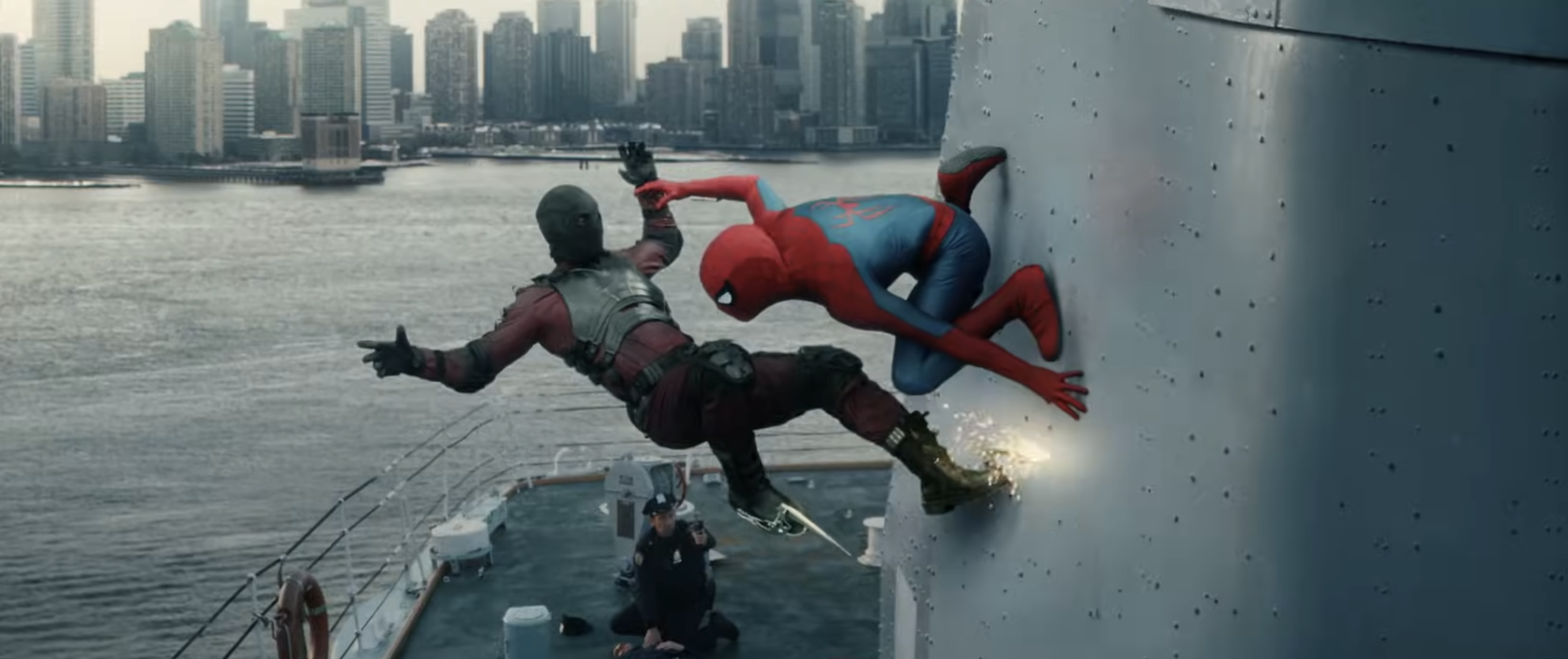
Взаємодія з Карателем стає моральним компасом для Пітера.{Ви побачите, як {{два різні підходи до правосуддя зіштовхуються|суперечка про методи боротьби зі злом стає центральною|герої намагаються знайти спільну мову в охопленому хаосом місті}}.}
{{Роль Седі Сінк стала предметом активних дискусій.|Її персонаж може стати новим коханням Пітера.}}{Такі {{класні фільми|якісні стрічки|цікаві кіна}} завжди {{вміють тримати інтригу до останнього|залишають простір для глядацької уяви|майстерно працюють із очікуваннями аудиторії}}.}
Плюси та мінуси виконання ролей у фільмі
Том Голланд доводить, що він здатний на серйозні драматичні ролі.Це робить перегляд кінопрем’єри справжнім задоволенням для поціновувачів якісної гри.
Однак існують і певні нюанси, пов’язані з великою кількістю зіркових імен.{Проте {{режисерський досвід Дестіна Деніела Креттона|талант постановника|вміння команди Марвел балансувати ролі}} дозволяє сподіватися на {{гармонійний результат|успішне втілення задуму|високу якість фінального продукту}}.}
Хоча їхні персонажі тепер живуть зовсім іншим життям, їхня присутність дозволяє глядачеві відчути біль втрати героя.{Це саме те {{цікаве кіно|глибоке мистецтво|вдале поєднання елементів}}, яке ми очікуємо від {{сучасні фільми|найкращих зразків кінематографа|провідних студій світу}}.}
Висновок про роботу акторів над фільмом
Підсумовуючи, можна впевнено сказати, що каст нової стрічки про Павука є запорукою успіху майбутнього релізу.
Ця стрічка має всі шанси стати новим золотим стандартом.{Ми бачимо, що {{марвел фільми|студія|команда творців}} {{не бояться експериментувати|готові до серйозних розмов із глядачем|поважають інтелект своєї аудиторії}}.}
{{Тож, чекаючи на літо 2026 року, ми можемо бути впевнені: на нас чекає справжній шедевр.|Весь творчий процес спрямовані на те, щоб створити щось справді величне.}}{Обов’язково {{зверніть увагу на цей список акторів|запам’ятайте ці імена}}, адже саме вони створюватимуть історію, яку ми обговорюватимемо роками.}
FAQ: все, що варто знати про ролі у стрічці
Q: Які актори знялися у новому фільмі про Людину-павука?
A: У стрічці ви побачите Тома Голланда, Зендею, Джейкоба Баталона, а також зіркових новачків франшизи — Джона Бернтала та Седі Сінк.
Q: Чи варто чекати на Ендрю Гарфілда та Тобі Магвайра?
A: Фільм прагне бути самостійною драмою, відходячи від концепції паралельних світів на користь реалізму та нуару.
Q: Яка роль Френка Касла у сюжеті?
A: Каратель грає роль суворого наставника або жорсткого опонента, який допомагає Пітеру адаптуватися до суворих реалій вулиць Нью-Йорка.
Q: Чи повернуться Ем-Джей та Нед до своїх звичних образів?
A: Актори повертаються до своїх ролей, проте їхні персонажі більше не знають, хто такий Пітер Паркер, що створює глибокий драматичний конфлікт.
Q: Чому «Людина-павук: Абсолютно новий день» вважається найцікавішим фільмом 2026 року?
A: Це зумовлено зміною жанру на нуарний детектив, залученням сильного акторського складу та відмовою від надмірної фантастики на користь людської драми.
Q: Чи варто дивитися цей фільм, якщо ви не бачили попередні частини?
A: Так, оскільки фільм позиціонується як «перезавантаження», він ідеально підходить для нових глядачів, хоча знання контексту додасть емоційної глибини.