September 18, 2026

One of the most significant advancements is the use of hydro jetting. This technique uses a high-pressure water jet to clear blockages in your drain. This method is not only highly effective at removing stubborn blockages, but it also cleans the inside of your pipes, removing any build-up that could lead to future blockages. Hydro jetting is also an environmentally friendly option as it only uses water and does not involve the use of any harmful chemicals.

Another innovative solution is the use of drain cameras. These small, waterproof cameras are inserted into your drain to locate the blockage. This allows the plumber to accurately diagnose the problem and determine the best course of action. This technology eliminates the guesswork and reduces the chance of unnecessary and costly repairs.

Robotic cutters are another state-of-the-art tool being used to tackle blocked drains. These devices are capable of cutting through tough blockages, such as tree roots, that traditional methods struggle with. Once the blockage is removed, the pipes can then be relined to prevent future issues.

Bio-enzymatic drain cleaners are a new, eco-friendly alternative to traditional chemical drain cleaners. These products use bacteria or enzymes to break down the blockage in your drain. Not only are these products effective, but they are also safe for your pipes and the environment.

Smart drains are also becoming more popular. These devices can monitor the health of your drain and alert you to any potential issues before they become serious problems. Some smart drains can even be controlled remotely, allowing you to clear minor blockages without the need for a plumber.

In addition to these technological advancements, there have also been developments in the way we approach blocked drains egham drains. Instead of treating the symptoms, more emphasis is being placed on preventing blockages in the first place. This includes educating people about what can and cannot be put down the drain and encouraging regular drain maintenance.

Despite these advancements, it’s important to remember that not all blocked drains can be fixed with a DIY approach. Some blockages are more serious and require professional assistance. However, these new technologies can assist professionals in diagnosing and treating the problem more effectively and efficiently.

In conclusion, the field of drain maintenance has seen significant advancements in recent years. From hydro jetting and drain cameras to robotic cutters and smart drains, these technologies have revolutionized the way we deal with blocked bathroom drains. Not only are these methods more effective and efficient, but many are also more environmentally friendly. While there is still a place for traditional methods, these new technologies are providing homeowners and renters with more options when it comes to dealing with blocked drains.
September 18, 2026

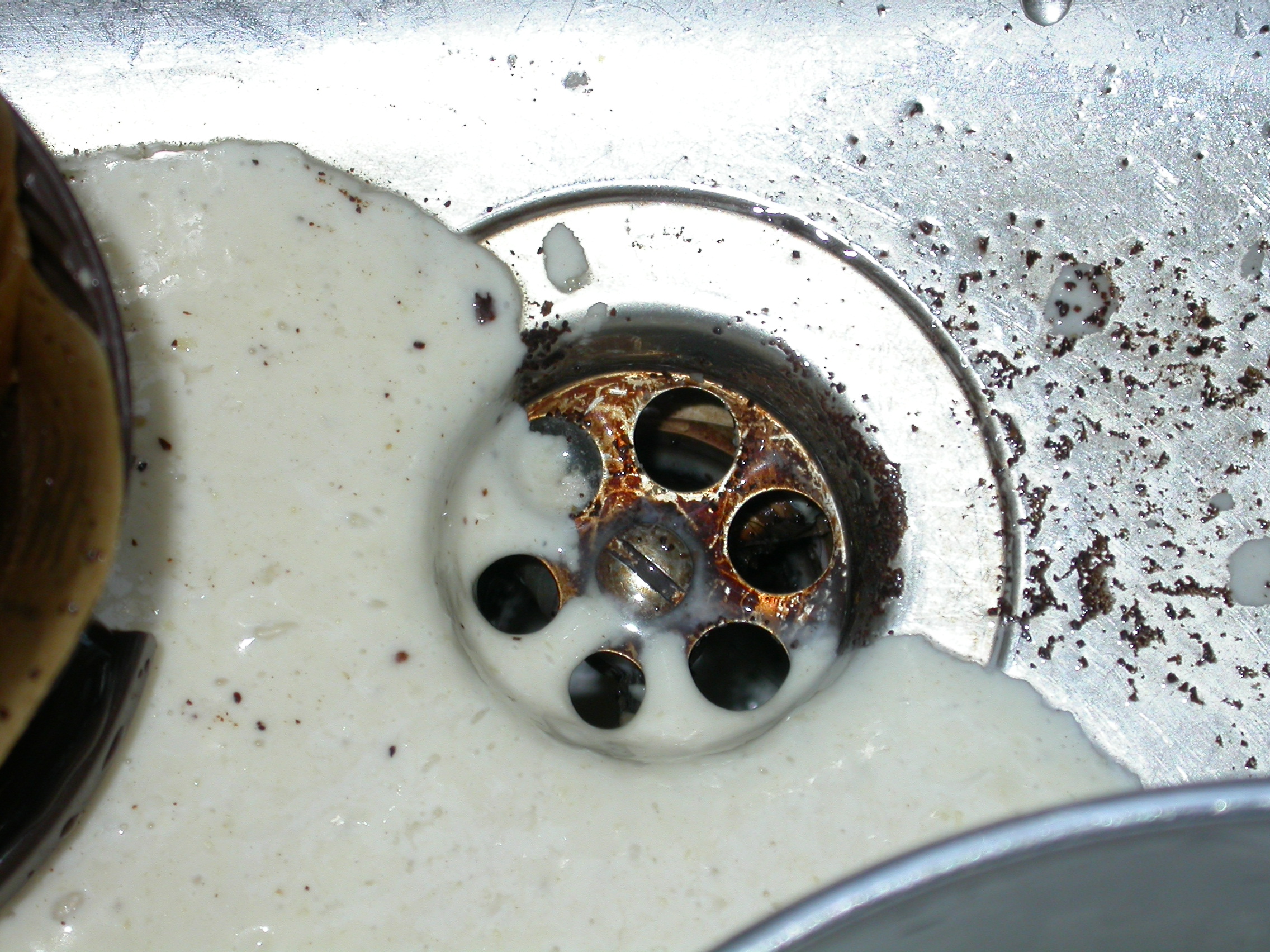
The first step towards dealing with blocked drains is understanding what causes them. The primary culprits are usually hair, soap, dirt, and small objects. Hair can easily get stuck in the drain and, over time, build up to form a blockage. Similarly, soap residue can accumulate and harden in the pipes, causing a blockage. Dirt and small objects can also get trapped in the cctv drain survey egham, further contributing to the problem.

In some cases, the blockage could be due to more serious issues like tree roots infiltrating the pipes, or structural issues with the plumbing system. These problems require professional intervention and can be quite costly to fix.

The consequences of blocked drains in bathrooms are numerous. The most immediate and noticeable effect is slow drainage. Water takes longer to drain, and in severe cases, may not drain at all. This can lead to water pooling in the sink, bathtub, or shower, which is not only inconvenient but can also cause damage to the bathroom fixtures and flooring.

Blocked drains can also cause unpleasant odors. This is due to the accumulation of organic matter in the pipes, which can decompose and produce a foul smell. If the blockage is not cleared, the smell can permeate the entire bathroom and even other parts of the house.

Moreover, blocked drains can pose a health risk. The stagnant water and decomposing organic matter can provide a breeding ground for bacteria and other pathogens, potentially leading to infections. Also, the damp conditions created by the water pooling can promote the growth of mold and mildew, which can trigger allergies and other respiratory problems.

So, how can one deal with blocked drains in bathrooms? The simplest solution is to use a plunger. This can dislodge minor blockages and allow water to flow freely again. For more stubborn blockages, a plumber’s snake or hand auger can be used. These tools can reach deeper into the pipe and break up the blockage.

Chemical drain cleaners are also available, but they should be used with caution. These products contain harsh chemicals that can damage the pipes and harm the environment. They should only be used as a last resort, and always according to the manufacturer’s instructions.

For serious blockages or if the above methods are unsuccessful, it’s best to call a professional plumber. They have the tools and expertise to diagnose and fix the problem effectively and safely.

Prevention is always better than cure. To prevent blocked drains, avoid letting hair, soap, dirt, and small objects go down the drain. Regularly clean the drain and use a strainer to catch any potential blockage-causing materials. Also, consider getting regular professional inspections to catch and fix any issues before they become serious problems.

In conclusion, blocked drains in bathrooms are a common but preventable problem. Understanding the causes and consequences can help homeowners take appropriate action to resolve and prevent this issue. Whether it’s using a plunger, calling a plumber, or implementing preventative measures, there are various ways to keep the bathroom drains clear and functioning properly.

September 18, 2026

The problem of blocked drains in showers is not new. It is a recurring issue that has been plaguing homeowners for years. The causes are diverse, ranging from hair and soap scum to hard water deposits and even foreign objects. These materials accumulate over time, gradually reducing the water flow until the drain is completely blocked.

In one instance, a family residing in a suburban neighborhood reported a persistent issue of a blocked drains egham shower drain. Despite their attempts at using various commercial drain cleaners, the problem persisted. The family was forced to restrict their use of the shower due to the slow drain, causing considerable inconvenience.

The family decided to call in a professional plumber to diagnose the issue. The plumber used a special drain camera to inspect the drain and discovered that the blockage was not due to the usual suspects – hair or soap scum. Instead, the drain was blocked by a buildup of hard water deposits and a small toy that had accidentally been dropped into the shower drain.

The plumber explained that hard water deposits are a common cause of blocked drains, especially in areas with hard water. These deposits are formed by minerals like calcium and magnesium, which are present in hard water. Over time, these minerals accumulate on the inner walls of the pipes, reducing the diameter of the pipe and eventually leading to blockages.

The small toy, on the other hand, had become lodged in the pipe, exacerbating the blockage caused by the hard water deposits. The plumber used a special drain snake to remove the toy and then used a high-pressure water jet to clear the hard water deposits.

This case highlights the importance of professional intervention in dealing with blocked drains. While commercial drain cleaners can be effective in dealing with minor clogs caused by hair or soap scum, they are often ineffective against more severe blockages caused by hard water deposits or foreign objects. Moreover, some commercial drain cleaners can be harmful to the pipes, causing corrosion and other damage.

The plumber advised the family on several preventative measures to avoid future blockages. These included installing a water softener to reduce the hardness of the water, regularly cleaning the shower drain to prevent the buildup of hair and soap scum, and being careful not to drop any foreign objects into the drain.

The family followed the plumber’s advice and has not reported any issues with their shower drain since then. This case serves as a reminder that while blocked drains can be a nuisance, they can be effectively addressed with the right approach and preventative measures.

In conclusion, the issue of blocked drains in showers is a common but solvable problem. It requires an understanding of the causes, implications, and solutions. Regular maintenance and care can prevent most blockages, but for persistent or severe issues, professional help may be required. The case of the suburban family provides valuable insights into how to effectively address and prevent blocked drains in showers.

September 18, 2026

The main causes of blocked bathroom drains are hair, soap, and dirt. Hair is the most common culprit, as it can easily get tangled and caught in the drain, building up over time and causing a blockage. Soap is another common cause, as it can combine with minerals in the water to form a hard residue known as soap scum, which can stick to the sides of the pipes and cause blockages. Dirt and other debris can also accumulate in the drain, further contributing to the problem.

Blocked drains can have several negative impacts. Firstly, they can lead to slow drainage, which can be very frustrating and inconvenient. If the blockage is severe, it can even lead to a complete stoppage of water flow, making it impossible to use the sink or shower. In addition to this, blocked drains can also lead to unpleasant odors, as the trapped debris can start to decompose over time. In severe cases, blocked drains egham drains can even lead to water damage or flooding, which can be very costly to repair.

There are several ways to address blocked bathroom drains. The first step is to try to remove the blockage manually. This can often be done using a plunger, a plumber’s snake, or a hand auger. If the blockage is due to hair, it may be possible to remove it using a special tool known as a drain snake or hair catcher. If these methods are unsuccessful, it may be necessary to use a chemical drain cleaner. However, these should be used as a last resort, as they can be harmful to the environment and can also damage the pipes if used excessively.

In addition to these methods, there are also several preventative measures that can be taken to avoid blocked drains. One of the most effective is to use a drain cover or hair catcher, which can catch hair and other debris before it goes down the drain. It is also important to avoid putting things down the drain that shouldn’t be there, such as grease, oil, or food scraps. Regularly cleaning the drain with hot water can also help to prevent blockages.

In conclusion, blocked bathroom drains are a common but preventable issue. By understanding the causes and impacts of blocked drains, and by taking the appropriate preventative measures, it is possible to keep the bathroom drains flowing freely and avoid the inconvenience and potential damage caused by blockages. However, if a blockage does occur, it is important to address it promptly to prevent further problems.

Locating A Drain Clog: Location Of Blocked Drains Can Be Confusing

September 18, 2026

Drain unblocking is a critical aspect of plumbing maintenance that contributes significantly to residential and commercial sanitation, and requires a deep understanding of science and engineering principles. The accumulation of dirt, residue, grease, and other similar substances which form the basis of drain blockages constitute an excellent breeding ground for microorganisms, thus posing a potential health risk. Therefore, it is essential to investigate the scientific process behind drain unblocking technologies and techniques.

Blocked Drain Causing Ice Hazard - Epic Clearance in ActionThe fundamental science underlying the blockage of blocked drains rickmansworth is actually quite simple. Once substances such as hair, grease, soap and detergent come into contact with water within the drainage system, they begin to amalgamate and solidify, leading to a clogged drain. As these blockages progressively become larger, water flow diminishes, posing functional and structural issues towards the plumbing system. Here, understanding the combination of physics, engineering, and chemistry becomes pivotal in developing effective unblocking methods.

The most traditional and basic drain unblocking methodology, the plunger, leverages the principle of fluid mechanics. The vacuum created by a downward plunge increases the pressure, which, when released, dislodges the blockage. Although the suction is powerful, this method is best suited for minor obstructions and may struggle with denser blockages.

One step beyond manual unclogging tools is the use of chemical drain cleaners. These products contain caustic, or strongly alkaline substances, such as sodium hydroxide, that can dissolve grease, hair, food, or other materials usually causing clogs. The dissolution and hydrolysis reactions facilitated by the strong bases make such chemical cleaners remarkably effective. However, they must be used judiciously due to their corrosive properties and potential environmental impact.

Another popular method is the use of enzyme or bacteriological drain cleaners. These employ bacterial cultures and concentrated enzymes to decompose organic waste materials in the drains. The action of these cleaners operates on the principles of biochemistry. They present a much lesser threat to both human health and the environment compared with chemical cleaners, although they may take longer to work.

The application of technology leads us to electromechanical or mechanical drain cleaners, such as plumber’s snakes or drain spiders. Here, the concept of mechanical engineering is utilised to physically dislodge and remove blockages. They are often motorized and can travel deeper into plumbing systems, reaching blockages manual tools or chemicals might fail to address.

High-pressure water jetting, another effective method, employs a continually forced stream of water to blast through blockages and cleanse the drain interior. This process is particularly successful in solving more severe blockages and efficiently removes scale, grease, and other debris adhering to pipes. The fundamental principle here is the transfer of kinetic energy from the water to the blockage, resulting in its movement and evacuation.

In conclusion, the science of drain unblocking lies at the intersection of various disciplines ranging from fluid mechanics to biochemistry and mechanical engineering. As our understanding of these fields improves and technology advances, we can undoubtedly look forward to even more effective and environmentally conscious methods for drain unblocking in the future. The key to efficient drain maintenance is understanding and judiciously applying the right technique or technology given the specific blockage situation.

September 18, 2026

Plumbing systems are a paramount aspect of any building structure. Through these systems, we manage wastewater, and obtain clean water. However, various issues can threaten these vital functions; chief among them is the issue of blocked drains. This article aims to dissect the complexities associated with blocked drains plumbing, often requiring the expertise of experienced professionals for effective rectification.

Blocked drains are primarily caused by the buildup of foreign materials and objects in the pipe transporting waste away from your home. Soap residues, hair strands, cooking oil, coffee grounds, food debris, feminine products, or even tree roots can cause a serious issue if they find their way into the pipelines. Over time, this accumulation narrows or completely blocks the pipe, disrupting the smooth flow or creating a total standstill of wastewater.

The premises of blocked drains rickmansworth drainage can stretch beyond mere inconveniences, contributing to a host of negative impacts. Unaddressed or prolonged blockage can lead to pipe leakage or rupture due to increased pressure. This might result in water damage to your property, unhygienic conditions, unpleasant smell, and promote the growth of harmful mold. Moreover, it can even impact the physical integrity of the property, leading to costly repairs.

Detecting drain clogging in its early stages is crucial to prevent expensive damage, and this represents another complexity. Visual signs aren’t always obvious or immediate. However, there are a few signals to watch out for like slow water drainage, gurgling sounds from the drains, foul odors, frequent plumbing backups, and water pooling around the shower areas or sinks.

Once a blockage issue is identified, the remediation process commences, which isn’t straightforward. Some simple blockages can be easily resolved using a plunger to create pressure that will dislocate the blockage and enable water to flow freely. Using a plumber’s snake or hand auger can also effectively clear the blockages. But these methods often deal with surface level blockages, leaving deeper or stubborn obstructions untouched.

Hence, blocked drains plumbing is often entrusted into the hands of professional plumbers. With an arsenal of sophisticated tools like motorized drain augers, hydro-jetting machines, and cameras for inspecting pipelines, plumbers not only detect the cause of blockage but also provide a comprehensive solution. These professionals can identify the precise location and nature of the blockage, which can be a long-lasting solid blockage or recurring grease buildup, and hence apply the best remedial procedure.

To mitigate problems regarding blocked drains, preventive measures should be adopted as a part of routine maintenance. Avoid dumping greasy substances and solid waste into the drain. Regularly clean the drain stoppers, and consider using drain screens to prevent unwanted substances from entering the pipelines.

While these measures can help prevent drain clogging, occurrences are often inevitable, augmenting the importance of professional help. Due to the complexities associated with blocked drains, employing an experienced and skilled plumber ensures a thorough and effective unclogging process, reduced risk of recurring blockages, and long-term drain health.

In conclusion, while blocked drains seem to be a common issue, they embody inherent complexities that demand understanding and professional intervention. Consequently, an informed homeowner who considers preventive measures and timely professional help can avert the unpleasant and costly consequences of blocked drains.

September 18, 2026

The essence of efficient drains plumbing can’t be overemphasized, especially in urban and suburban homes. In recent years, numerous technological advancements have revamped the sector, introducing innovative ways of managing blocked drains. This report extensively deals with the new-age techniques that have emerged in the plumbing industry for resolving blocked drains, their effectiveness, advantages, and potential disadvantages.

To start, there has been a significant upswing in the use of advanced equipment in the field. For instance, plumbers now use handheld drain augers and motorized drain snakes that have revolutionized the way drain blockages are cleared. Where these tools fail to provide a solution, plumbers use high-pressure water jets that deliver power between 1500 to 3000 psi, highly effective for dislodging stubborn obstructions.

A popular technique that has gained significant prominence is hydro jetting. This method uses a high-pressure water source to eradicate waste build-up and debris in drains and pipes. Professional plumbers have lauded this approach due to its thoroughness and the less likely reoccurrence of blockages after the hydro jetting process.

Apart from hydro jetting, a technique called drain unblocking rickmansworth rodding is also increasingly popular. Unlike conventional methods, drain rodding does not involve any excavation or digging to reach the blockage. Instead, a steel rod is inserted into the pipe to break down the obstruction, making it a less invasive but effectively potent technique.

Video inspection technology also deserves mention for its ground-breaking impact on drain plumbing. Cameras attached to flexible rods allow for a comprehensive inspection of a blocked drain and help identify the blockage source, type, and location. This accurate pinpointing method reduces the guessing game, speeds up the process, and saves the unnecessary cost of trial and error.

Chemical drain cleaners, often sulfuric and hydrochloric acid-based, have also encountered substantial deployment. However, this method can harm the environment and pipework in the long run, leading to a shift towards green alternatives. Today, enzyme-based drain cleaners are considered more environmentally friendly and less harsh on the plumbing system.

In line with sustainability, new material alternatives have also been sought for pipes to prevent blockages. High-density polyethylene (HDPE), for instance, has emerged as a viable replacement to PVC and clay pipes, minimizing pipe damage and root intrusion.

However, these cutting-edge techniques are not without their caveats. For example, hydro jetting requires professional handling to avoid pipe damage and flooding, while video inspections may not pick up smaller cracks. Enzyme cleaners, although eco-friendly, may not be as effective against severe blockages.

In conclusion, the advancements in blocked drains plumbing techniques have significantly facilitated easier, swifter, and more effective unblocking of drains. While bearing in mind the caveats, these technological developments in the plumbing industry have led to cost-effective and less time-consuming ways of managing blocked drains, revolutionizing the sector amidst the quest for sustainable solutions. Future research may focus on more economical, greener, and easy-to-use approaches to handle blocked drains.

September 18, 2026

Introduction:

The problem of blocked drains rickmansworth drains in residential buildings can pose severe inconvenience and potential hygiene issues for residents. This case study focuses on the effective solution that ‘Drainage Solutions Ltd.’ provided to a large residential building – ‘Hill Crest Apartments’.

Background:

With over 100 apartments, the Hill Crest residential building was perpetually tackling recurring drainage issues, causing inconvenience to occupants. Often, the issue led to water backup and foul odor, leading to significant discomfort and health hazards. Despite hiring local plumbers to resolve the issue, the problem persisted – a seemingly untreatable issue that required remediation.

Problem Identification:

‘Drainage Solutions Ltd.’ was contacted for a comprehensive solution. A team of experts visited the site for a preliminary inspection. They found out that although the daily waste was cleared, there was a significant amount of hardened grease and waste accumulation over time, which was not appropriately managed. This accumulation resulted in partial blockages, slow draining, and frequent backup.

Approach:

The team proposed a two-fold solution to the problem that encompasses physical de-clogging and biotechnical treatment. Physically, the team suggested high-pressure water jetting to break down the debris. Biotechnically, they recommended an eco-friendly oil and grease digestant to minimize regrowth, which the regular service providers overlooked.

Execution:

After getting the approval, the team conducted a high-pressure water jetting service, carefully focusing on problematic drain lines. They efficiently broke down the debris, flushed it out, and fully restored the drainage lines. Post clearing, they treated the drain lines with a bio-enzyme-based digestant spray that helps degrade the oil and grease build-ups, preventing the formation of hard clogs.

Result:

Post-treatment, there was a remarkable improvement in the drain system’s efficiency. With regular maintenance and biotechnical treatment, the recurring drain blockages became a rare occurrence. The residents noticed a crucial improvement in living conditions, with the foul odors and water backups being issues of the past.

Additionally, the management of Hill Crest Apartments found that this comprehensive treatment costs them less in the long run, considering the frequent expenses associated with regular plumbing and the associated damage from water backups.

Conclusion:

The Hill Crest Apartments case study presents the profound impact an effective, scientific approach can have, redefining how drainage issues are typically perceived and resolved. ‘Drainage Solutions Ltd.’ demonstrated how a simple, well-rounded practice of clearing the physical clog and applying preventive measures can ensure long-term improvement in drain function.

As a result, the case witnesses a significant shift from reactive drain unblocking to a more preventive strategy implied through incorporating the ‘Drainage Solution Ltd.’ services. The Hill Crest Apartments scenario exemplifies the need for exploration beyond traditional practices and the benefit of adopting eco-friendly, sustainable solutions in dealing with commonplace, yet significant challenges in residential buildings.

By focusing on the root cause, rather than the symptoms, it is possible to effectively resolve such recurring issues, providing lasting relief and convenience to the residents. This efforts return in the form of trust and affinity of the residents towards their management, contributing to a harmonious living environment.

September 18, 2026

Drain blockages are a prevalent issue in both residential and commercial plumbing systems, dramatically impacting the quality of life and day-to-day functioning of individuals and businesses. Frequently, these obstructions result from the accumulation of foreign elements such as fat, hair, food waste, or foreign objects, which hinder the free flow of water. This article explores the various proactive and progressive drain plumbing techniques that significantly ameliorate these blockage issues and the broad impact they are having on the quality of life and workforce productivity.

The first line of defense against drain blockage issues is the clever use of innovative materials in drain installation. Polyvinyl Chloride (PVC) pipes, for example, are now extensively used in place of traditional metal pipes due to their resistance to corrosion, a significant cause of drain blockage over time. Such materials insulate the pipes from the corrosiveness of the chemical reaction instigated by the particles inside the pipes, thus significantly reducing the chances of blockages.

Advancements in the design of plumbing systems have also had a massive impact on a draining system’s resilience to blockages. The transition from S-Traps to P-Traps was an integral part of this enhancement in design. The use of P-Traps, which have a distinct U-shape that holds water, creates a seal that prevents sewer gases from entering buildings, thereby reducing chances of acquiring blockage-induced damage.

Another technique in mitigating drain obstructions is the incorporation of hydro-jetting as a routine maintenance procedure. Hydro-jetting is a powerful plumbing technique that includes propelling water at high pressure into the drain unblocking rickmansworth to dislodge the accumulated debris responsible for blockages. The effectiveness of this technique is immense, and its regular application goes a long way in preventing future blockages.

Aside from innovations in pipe materials and design, a significant advancement happened in the field of chemical compound use. The utilization of Bio-clean, a non-corrosive enzymatic compound, breaks down organic waste materials. It’s a powerful preventative measure, which when applied regularly, prevents the accumulation of waste and eventually minimizes disruptions due to blockage.

Moreover, video inspection technologies have revolutionized blockage detection and its subsequent treatment, ensuring a more accurate location and removal of the offending obstruction. It involves inserting a flexible rod with a high-resolution video camera into the pipe to view the interiors and detect blockages or potential weaknesses in the pipe structure. This technology has improved the effectiveness of plumbing solutions, thus significantly reducing time and resources needed for traditional error-prone trial and error methods.

Blocked Drain 449 - Roots Invade and Take Over HouseIn conclusion, the growing application of innovative materials in pipe installation, improved plumbing system designs, the use of preventative plumbing techniques such as hydro-jetting, and the strategic application of enzyme-based cleaners has led to a significant decrease in incidences of drain blockages. More importantly, the advent of video inspection technologies has significantly improved blockage identification precision. To achieve better longevity and functionality in drainage systems, it is imperative to continually embrace these advanced plumbing practices and strategies. These progressive techniques represent a paradigm shift in drain plumbing—transitioning from reactive problem-solving towards proactive and preventative plumbing maintenance.

September 18, 2026

Blocked drains are an often overlooked yet significant calamity that can plummet the amenity of our day-to-day life and the functionality of our infrastructure. This article aims to shed light on this everyday emergency by narrating a real-life experience observed first-hand, delineating the implications of cctv drain survey farnborough blockages and their potential consequences if unattended.

There was a damp, murky chaos on the third street of Brooklyn, New York, one fateful afternoon. An unusual grimness cloaked the area as foul water began to accumulate on the road. The culprit lay beneath, hidden from plain sight – an emergency blocked drain, an unanticipated villain causing not just functional impediment but also risk to public health and safety.

In the immediate scenario, cites were forced to tread through stagnant water, their displeasure visible in their crumpled expressions. However, it wasn’t merely an unpleasant inconvenience; the potential threats associated with blocked drains unfolded gradually.

The first implication pertained to health risks. Blocked drains can swiftly turn into breeding grounds for a detestable range of bacteria, insects, and parasites. The stagnated filthy water from this event already started attracting flies, and with them came the risk of illnesses such as diarrhea, dengue, and even malaria.

The second grave impact was on the environment. As the wastewater had no place to go, it began to infiltrate the nearby soil, compromising its fertility and disrupting the growth and wellbeing of adjacent vegetation. Moreover, the overflow reached nearby water bodies which threatened aquatic life due to the sudden influx of harmful chemicals and waste.

The blockage also put immense pressure on the drain infrastructure, risking structural damage that could lead to costly repairs or replacements. The repercussions were not just limited to monetary losses. Any damage to the infrastructure could further lead to soil erosion, creating an unsafe environment for the residents walking or driving above.

The reaction from the local authorities was swift. They dispatched a team equipped with sophisticated tools for blocked drain emergencies who identified the blockage and worked diligently to rectify it. This real-life scenario underscored the importance of rapid intervention and professional help in such events.

The aftereffects of the blocked drain emergency served as a stern reminder of the importance of proactive maintenance. It emphasized the importance of regular checks and cleanups, guaranteeing the unhindered functioning of drains. The experience also highlighted the critical need for community involvement in maintaining an efficient waste disposal system and refraining from disposing of solid waste thoughtlessly, which could directly lead to blockages.

In conclusion, the on-the-spot observation of an emergency blocked drain in Brooklyn was an eye-opening journey. Despite its common occurrence, blocked drains’ destructive implications on health, environment, and infrastructure were starkly visible. It is undeniable that understanding, preventing, and instantly addressing such emergencies must be a collective responsibility embraced by authorities, communities, and individuals alike. Besides, the event accentuated the varied roles of professionals who manage these crises, turning the potential urban nightmare into a smoothly functioning system. Their relentless service, coupled with our responsible actions, can ensure that our neighborhoods remain clean, safe, and pleasant.